

PORTALJABAR, BANDUNG CITY - Head of the Bandung City Health Service (Dinkes) Anhar Hadian appealed to the public to be more active in efforts to eradicate dengue fever (DBD). Until November 2024, there were 7,310 cases of DBD recorded in Bandung City.
He also highlighted environmental factors as the cause of the high number of dengue cases. Stagnant water from uncollected garbage, especially in the rainy season, is an ideal place for Aedes Aegypti mosquitoes to breed.
"If the garbage is allowed to pile up, plus it rains every day, then the potential for the spread of dengue fever will be greater," he said.
As a preventive measure, the Bandung City Health Office is promoting the Mosquito Nest Eradication Movement (PSM) and is appealing to every house to have one mosquito larvae monitor (jumantik).
"We encourage the movement of one house one mosquito larvae. Don't just rely on health center officers. Offices also need special officers to check for mosquito larvae," he explained.
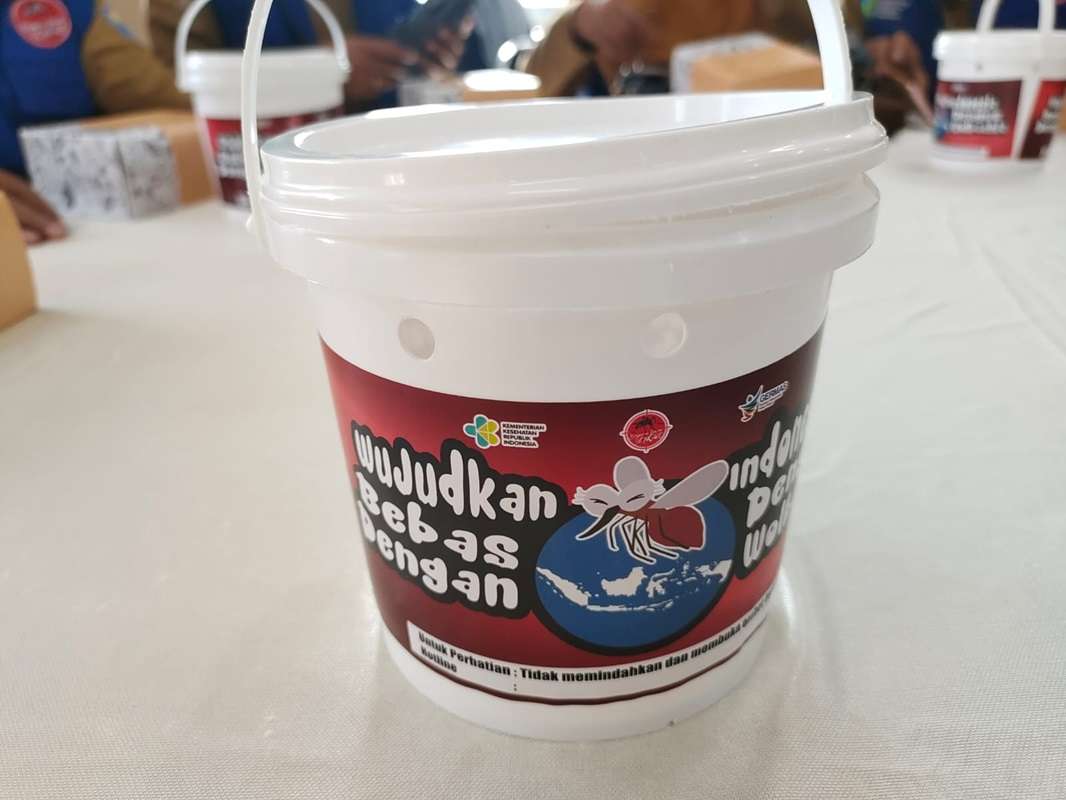
In addition, the Wolbachia program has also been implemented in two locations in Bandung, namely Ujungberung and Kiaracondong Districts as a long-term effort to control the population of mosquitoes carrying the Aedes aegypti virus.
"God willing, the Wolbachia program will run, but the results are long-term, maybe up to 12 years," he said.
Anhar hopes that the public will be more aware of the importance of preventing dengue fever through environmental cleanliness and early detection.
"PSM and jumantik movements must become a daily habit. With joint efforts, we can reduce the number of DHF cases in Bandung City," he said. (Bandung City Communication and Information Service/Revo)
 Share News Via
 facebook
 twitter
 whatsapp
 email
email