

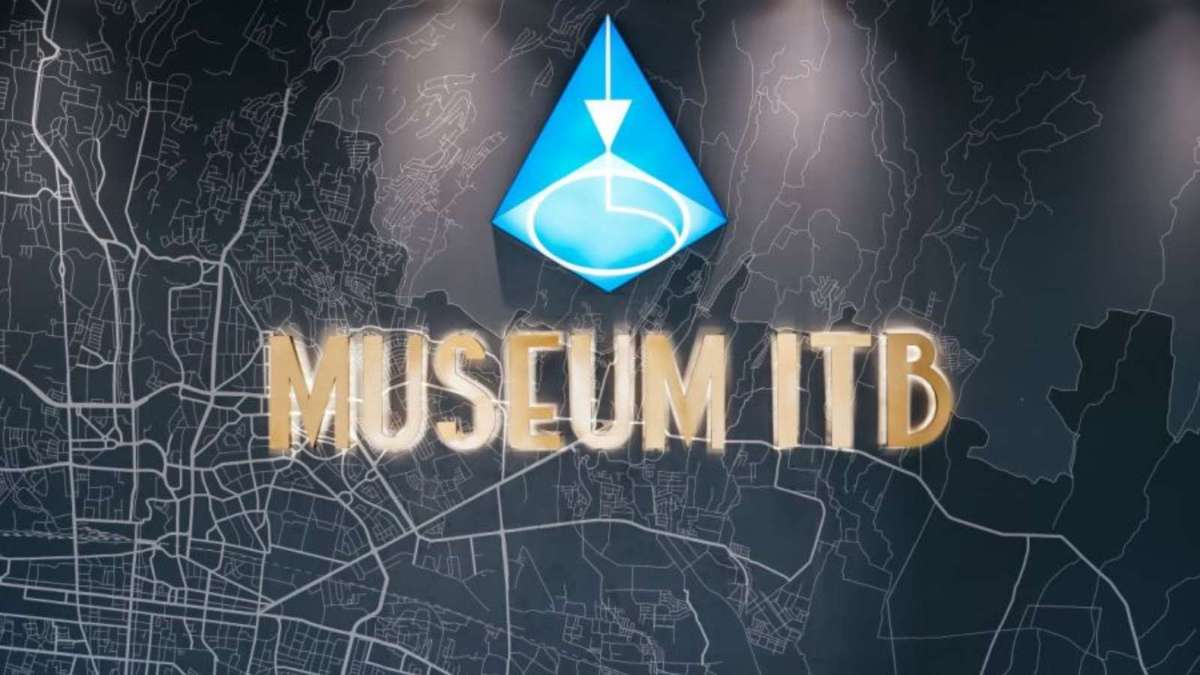
PORTALJABAR, BANDUNG CITY - Bandung offers more than just culinary and creative tourism, but also a variety of educational destinations that enrich the public's knowledge. One such destination is the ITB Museum, an educational space that invites visitors to explore the long history of science, technology, art, and innovation at the Bandung Institute of Technology (ITB).
Established in 2025, the ITB Museum was born through collaboration across faculties, units, and disciplines. Science, technology, art, design, and the humanities are brought together in one space to provide an interactive and diverse learning experience.
Visitors can see how an idea is born, tested, developed, and realized through various research instrument artifacts, experimental documentation, findings, innovations, and visual archives of life's journey on campus.
The ITB Museum is divided into four zones that take visitors through ITB's history from time to time.
The first zone presents the historical roots of ITB, starting from the early development of the Technische Hoogeschool te Bandoeng (THS) in 1920, the growth of national spirit among students, to its contribution in building the foundation of science in Indonesia.
The second zone reveals the research journey, innovation, and various discoveries born from ITB. Visitors can see that behind every innovation lies a long process, experimentation, challenges, and the perseverance of scientists and researchers.
The third zone brings visitors closer to everyday life on campus. The interactions between students, faculty, and researchers tell the story of a thriving culture of learning, research, and collaboration.
Meanwhile, the fourth zone displays the footprints of ITB's thinkers and movers who have contributed through science, art, technology, and community service.
The ITB Museum also offers a number of supporting facilities to provide a more diverse visitor experience. One example is a dome theater that displays videos about ITB's history and technological developments.
The museum also features aircraft previously used in student practical activities. These artifacts provide visitors with an opportunity to gain a closer look at how science and technology are applied in real life.
The ITB Museum also provides inclusive facilities and continues to develop facilities and services to provide a comfortable educational experience for various groups.
The high level of public interest has made the ITB Museum an increasingly popular educational space in Bandung. Visited not only on weekdays, but also on weekends, the museum is a popular choice for people to spend their time with educational activities.
"Public enthusiasm for the ITB Museum is quite high. On weekends, visitors reach around 1,200 to 1,300 people, while on weekdays the average is around 300 to 400 visitors," said Usep Mulyana, ITB Museum Coordinator.
The presence of the ITB Museum is expected to not only be a space to commemorate the journey of history, but also become a learning space that is open to the public.
The ITB Museum management continues to encourage collaboration and discussion with various parties, including schools, to expand access to learning beyond the classroom.
For visitors, the ITB Museum offers regular tickets for Rp 50,000, while tickets for students are Rp 30,000. The museum also accommodates group visits.
Information regarding visiting schedules, facilities, and group services can be obtained via Instagram @museumitb or the website museum.itb.ac.id
(Bandung City Communications and Information Service/rka)
 Share News Via
 facebook
 twitter
 whatsapp
 email
email