

PORTALJABAR, BANDUNG CITY - This 217.3 hectare village in the East Bandung area is able to attract attention from overseas.
Initially, South Korea and Malaysia learned about inorganic waste management directly from the women of Cipadung Kidul Village, Panyileukan District, Bandung City.
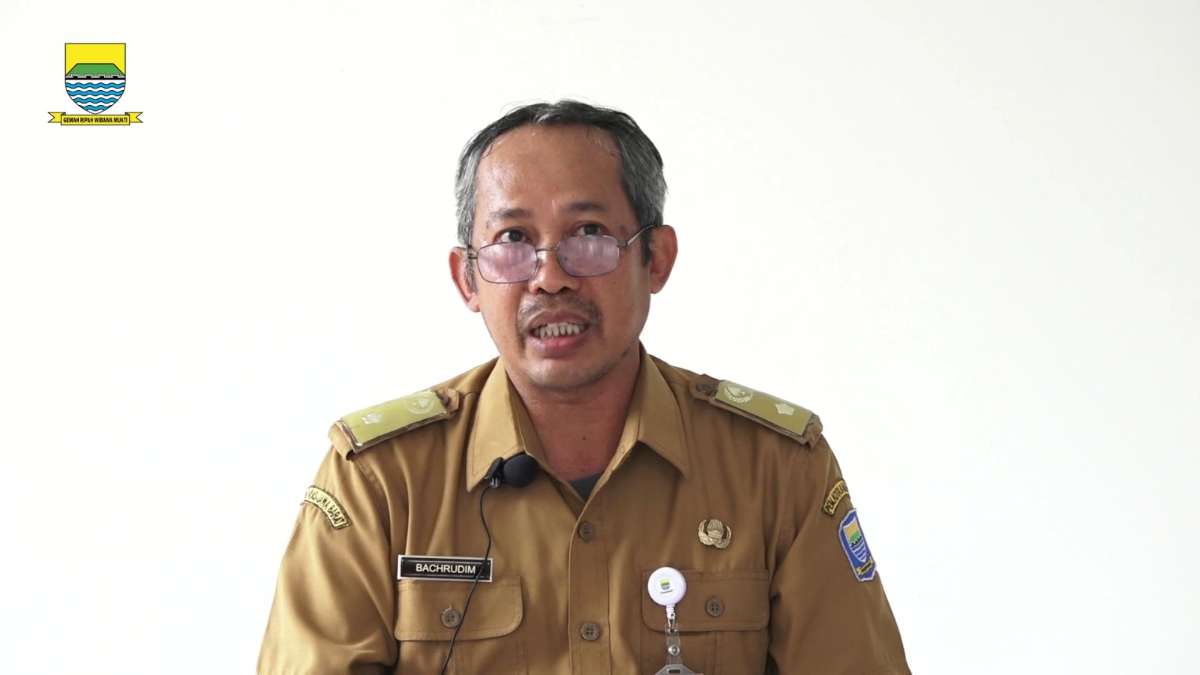
"We have a Sehati Waste Bank (healthy environment, harmonious residents, inspired and innovative activities). It was founded in RW 9, as a result of the concern of community leaders and residents led by Mr. Yoyo Sutaryo, Chair of RW 9, to sort and separate waste," explained the Head of Cipadung Kidul Village, Bahrudin.
The inorganic waste that has been collected is transformed into various crafts by the golden hands of women in Cipadung Kidul. Some are made into bags, mats, tissue boxes, and so on.
Residents sort inorganic waste and save it at the Sehati Waste Bank. The waste savings that have been recorded will be distributed at the end of Ramadan.
Eman said that several countries had come to the sub-district he led.
"We have received several awards. There have also been visits from abroad, such as Malaysia and South Korea, for comparative studies at the Sehati Waste Bank," he said.
According to Eman, the presence of the Sehati Waste Bank is able to make mothers in their environment more productive.
"In fact, we also often make soap from used cooking oil collected by local residents," he continued.
He admitted that waste processing in Cipadung Kidul had been carried out long before the city of Bandung experienced a waste emergency. Initially officers from third party vendors collected organic waste from each RW. Meanwhile, inorganic waste is disposed of at the Sehati Waste Bank.
"Since there was a waste emergency at the Sarimukti TPA, we have expanded the reach of waste sorting. Moreover, the Bandung City Government has also provided Kang Empos assistance for 20 percent of the population here," he explained.
Apart from that, Cipadung Kidul also has Buruan Sae which was established in 2019 and has planted various kinds of plants.
"Yesterday, thank God, we received assistance from Bank Indonesia for shallot seeds. Then, the potential plants in Buruan Sae we also have are eggplant, pak choy, caisim and water spinach," he said.
Not only is it a productive land for farming, Buruan Sae is also a gathering point for residents. For Bahrudin, Buruan Sae is not just about producing material, but is also a means of friendship.
"It can be used for beauty, there is productivity, it can also be a means of friendship. Residents gather together, chat and get closer. We can also include socialization programs, so it is not difficult to convey it to the community," he said.
Even though it is difficult to find large empty land in the city of Bandung, he hopes that people can use even the smallest amount of land to be productive.
"Let's work together to utilize the land around us. The city of Bandung is densely populated, but there's no harm in using the existing land. Even if it's only an inch, we can use it to plant vegetables or other plants to bring benefits," he hoped.
Apart from developing Buruan Sae, his party is also collaborating with the Bandung City Food and Agriculture Security Service (DKPP) for counseling and seed assistance to local farmers.
"At the end of every year, farmers always harvest corn. On Jalan Panyileukan, there are many people selling corn, which is the result of agriculture around here. We don't need to shop for corn in other areas. We work together with the rice farmers who are close to Buruan Sae," added Bahrudin.
 Share News Via
 facebook
 twitter
 whatsapp
 email
email